The verdict
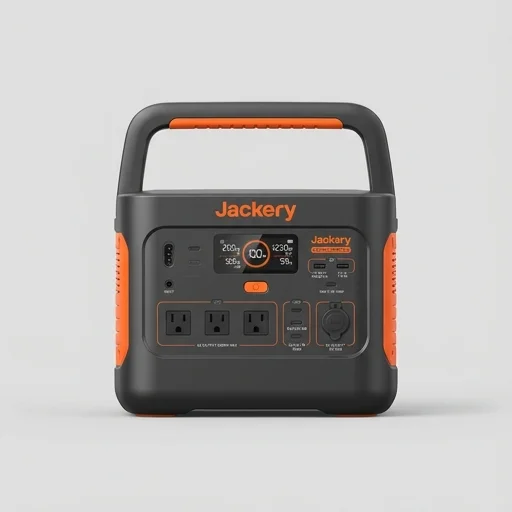
The Jackery Explorer 2000 delivers robust, reliable power for home backup, off-grid living, and outdoor adventures. Its large LiFePO4 battery, fast recharging, and versatile output options make it a strong investment for anyone needing dependable power beyond basic camping trips, though its weight and price point cater more to stationary or vehicle-based use than backpacking.
At a glance
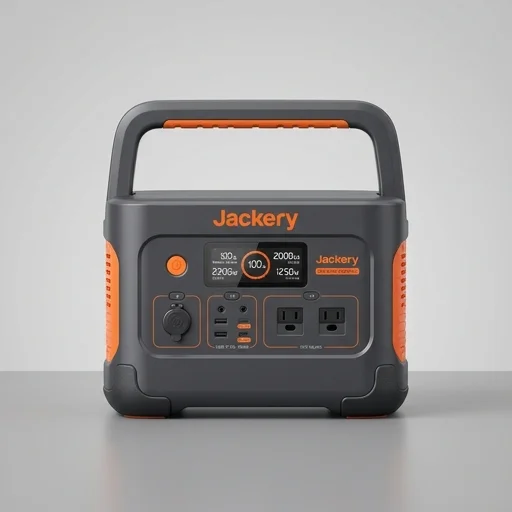
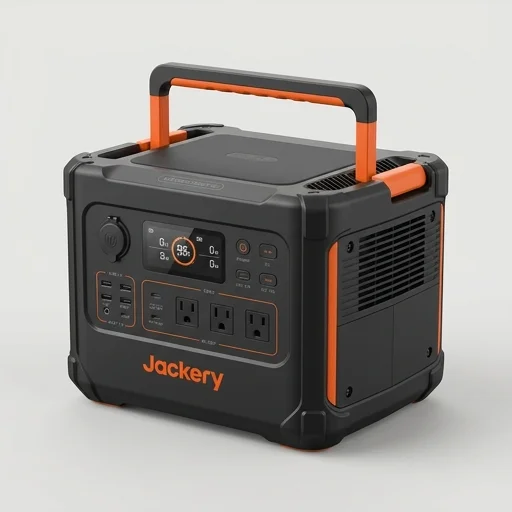
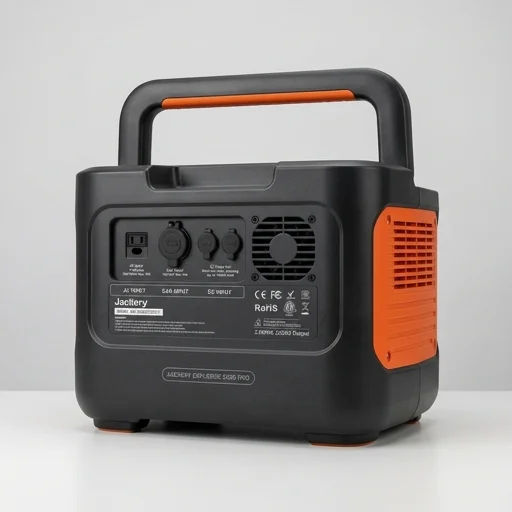
The Jackery Explorer 2000 is a robust portable power station engineered for anyone who needs dependable, high-capacity energy away from traditional outlets, whether that means powering a home during an outage, running appliances on a camping trip, or keeping essential devices charged during outdoor work. With a substantial 2160Wh lithium battery capacity, this unit is built to handle demanding loads, from refrigerators and CPAP machines to power tools and kitchen appliances. Its 2200W AC output, with a surge capacity that briefly handles higher wattages, means it can start and sustain equipment that many smaller power stations simply cannot manage. The station's LiFePO4 battery chemistry offers a significantly longer lifespan than standard lithium-ion alternatives, rated for around 4000 charge cycles before dropping to 80% capacity, which translates into years of reliable service even with frequent use. Charging flexibility is one of the standout features of the Jackery Explorer 2000, as it supports multiple input methods to fit different situations. Users can recharge it via a standard wall outlet in roughly two hours, through a car adapter while traveling, or with Jackery's SolarSaga solar panels for off-grid replenishment, with solar charging capable of fully powering the unit in about four to five hours under optimal sunlight when paired with the recommended panel configuration. This versatility makes it a practical choice for both emergency preparedness and sustainable, renewable energy use in remote locations. The unit's output ports are equally comprehensive, offering multiple AC outlets, USB-A and USB-C ports with fast-charging capability, and a car outlet, allowing users to power several devices simultaneously without needing extra adapters or splitters. Beyond raw specifications, the Jackery Explorer 2000 is designed with everyday usability in mind. Its LCD display provides clear, real-time information on battery percentage, input and output wattage, and estimated time remaining, so users always know exactly how much power they have available. The housing is built with a sturdy handle and a relatively compact footprint given its capacity, making it manageable to transport despite weighing around 43 pounds. Safety is reinforced through a battery management system that monitors temperature, voltage, and current to prevent overcharging, overheating, or short circuits, giving users peace of mind whether the unit is running indoors during a storm or outdoors in variable weather conditions. Altogether, the Jackery Explorer 2000 stands as a versatile, high-output power solution for those who prioritize both capacity and reliability in their portable energy needs.
As an Amazon Associate we earn from qualifying purchases.
 WattSilo